Diamonds · 6 min read · Published , updated
A guide to diamond shapes
Shape is the most personal choice in a diamond. Each one handles light differently and suits different settings.
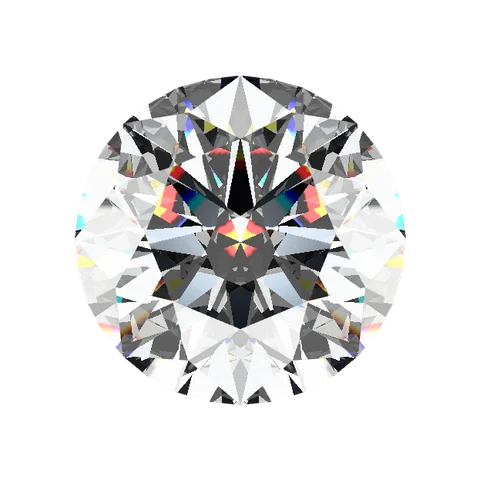
Shape describes the outline of the diamond; cut describes how well it is faceted. The round brilliant is engineered for maximum sparkle, and every other shape is known as a “fancy shape”.
- Round: the most brilliant and the most classic. It suits every setting.
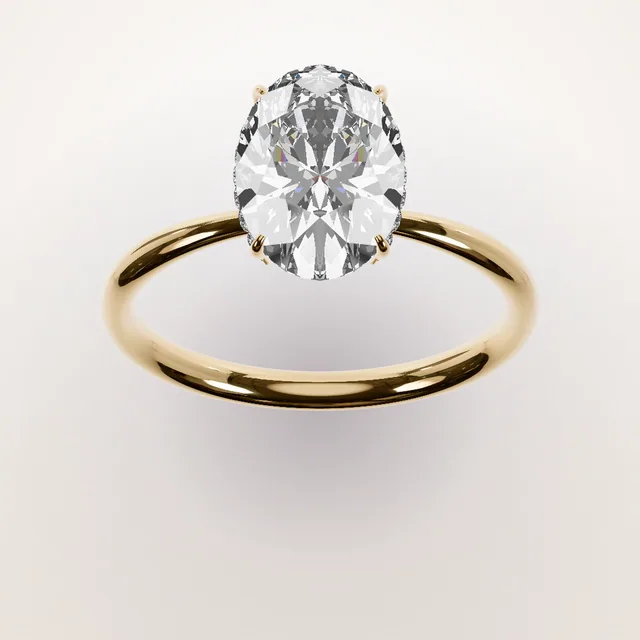
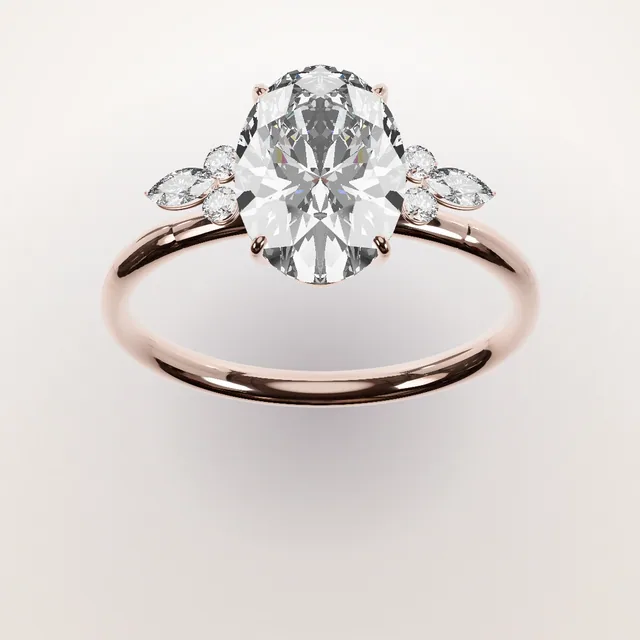
- Oval: an elongated brilliant that looks larger per carat than a round and flatters the finger. A length-to-width ratio around 1.35–1.50 is popular.
- Cushion: a square or rectangle with rounded corners and large facets, soft and romantic.
- Pear: a teardrop that combines a round and a marquise; usually worn with the point towards the fingertip.
- Emerald: a step cut with long, parallel facets that create a “hall of mirrors” effect. Step cuts show clarity more readily, so a cleaner stone is worth considering.
- Radiant: a rectangular or square outline with brilliant faceting: the sparkle of a round with a crisp outline.
- Princess: a square brilliant with sharp corners, best protected by prongs at each corner.
- Marquise: a long, boat-shaped brilliant that looks very large for its weight.
- Asscher: a square step cut with cropped corners and an art deco character.
- Heart: a brilliant heart outline; symmetry matters most, and it reads best from about half a carat upwards.
The bow-tie
Elongated brilliants (oval, pear and marquise) can show a darker band across the centre, known as a bow-tie. Almost all have one to some degree; what matters is whether it is noticeable. Photographs and video of each diamond on our site help you judge this, and we are happy to look at it with you on a video consultation.
Shape and setting
Every setting page lists the shapes it is made for. Choose your shape first and the settings list filters to designs that hold it.